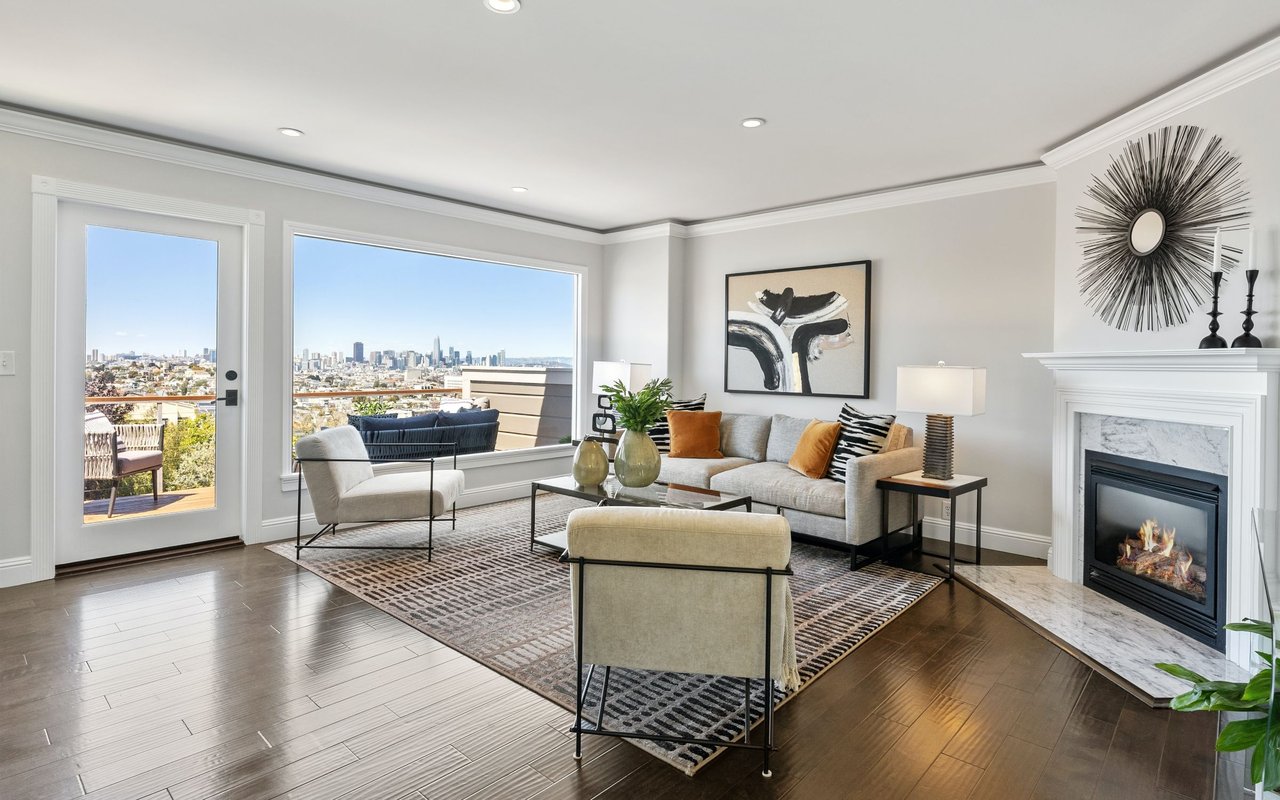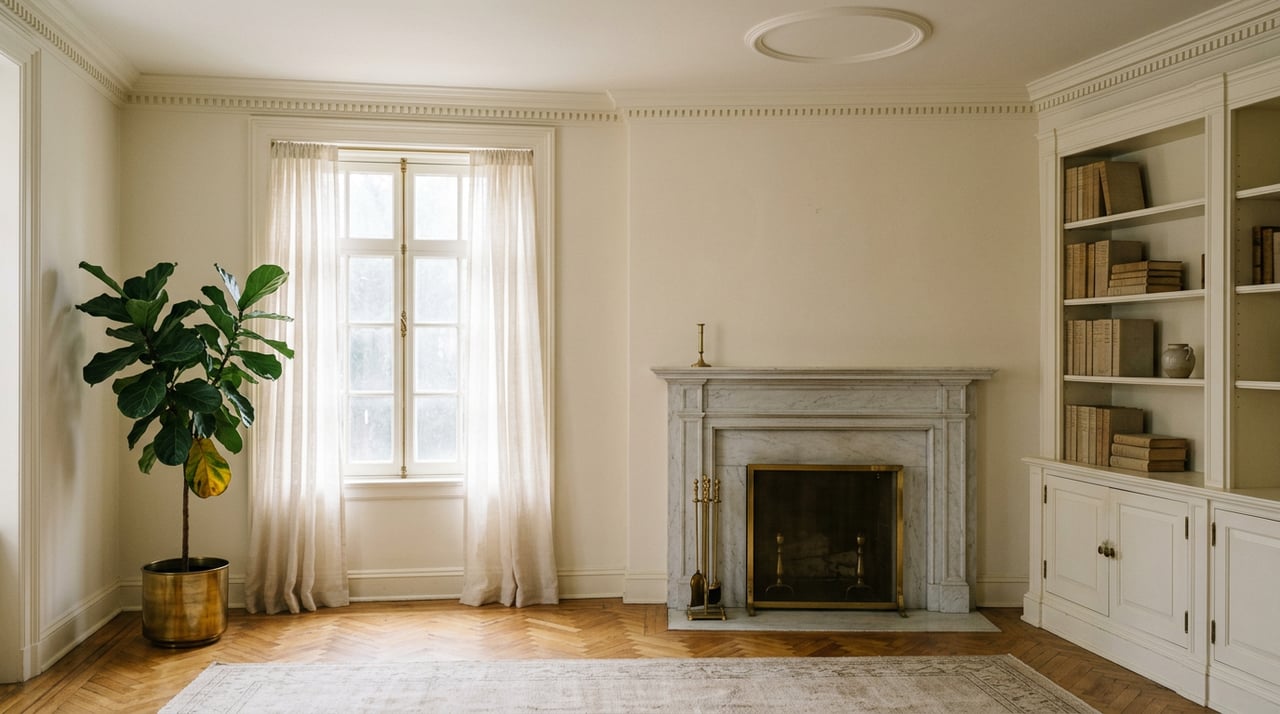
Walk two blocks along Lake Shore Drive in the Gold Coast and you can stand in a full-floor pre-war residence with 15-foot ceilings, four exposures, and unobstructed lake views, then walk into a comparable-sized unit in a contemporary tower with the same view and a newer kitchen. The historic unit is often priced lower per square foot. Not because the address is less desirable. Because of what building type actually controls: who is allowed to buy it, and how they're allowed to pay for it.
That distinction, co-op versus condo, is the single most consequential thing a Gold Coast buyer or seller can misunderstand right now. It explains why the median price you saw on a portal last week doesn't tell the whole story of this market, and why pricing a listing off that median can leave real money on the table.
The number everyone already has
If you've spent any time searching Gold Coast listings, you've seen the surface data. As of early August 2026, there were 67 condos for sale in the Gold Coast at a median listing price of $585,000, with the typical home spending 55 days on market and receiving two offers, and 45 homes selling in the prior month. Those figures come from standard MLS-fed aggregation and they're accurate as far as they go.
What they don't capture is the shadow market sitting inside the same blocks and often the same buildings: the co-ops. Portal search filters and headline median prices are built around condos, because condos are deeded real property that trades the way most residential real estate trades. Co-ops are a different legal animal, and that difference is exactly where the pricing gap shows up.
What a co-op actually is, and why it changes the math
In a Gold Coast co-op, you're not buying a deed to a unit. You're buying shares in the corporation that owns the entire building, along with a proprietary lease that gives you the right to occupy a specific apartment. Buildings like 1540 North Lake Shore Drive, 1448 North Lake Shore Drive at the corner of Burton Place, 232 Walton, and the Drake Tower at 179 East Lake Shore Drive, connected to the historic Drake Hotel, operate this way. Many of the Gold Coast's most architecturally significant pre-war addresses do.
That ownership structure carries three practical consequences that a condo buyer never has to think about.
First, financing is capped. Co-op share loans are underwritten differently than conventional mortgages, and local lending practice for Gold Coast co-ops commonly limits financing to somewhere between 50 and 70 percent of the purchase price. A buyer who could put 20 percent down on a condo may need to bring 30 to 50 percent cash to close on a comparable co-op, and post-closing liquidity requirements on top of that are common.
Second, the board has real authority. Co-op boards can decline a buyer even after a lender has already said yes, subject to fair housing law. The application typically means tax returns, bank statements, personal references, and an in-person interview, and building practice generally calls for four to eight weeks to prepare the package and complete board review, longer in buildings that only meet quarterly.
Third, subletting is usually restricted. Boards that prioritize owner-occupancy limit how many units can be rented out, which removes a meaningful slice of the investor and pied-a-terre buyers who make up part of the condo market's demand.
Each of these narrows the pool of people who can realistically close on a given unit. A smaller buyer pool, all else equal, means slower sales and softer pricing, even when the real estate itself, the ceiling height, the square footage, the view, the architectural pedigree, is equal to or better than a condo down the street.
Where this shows up in real numbers
The Gold Coast's broader price-per-square-foot trend has been moving up. But that citywide or neighborhood-wide figure blends condo sales, which trade closer to the frictionless end of the spectrum, with co-op sales, which trade against a structurally smaller buyer pool. A single median doesn't separate the two, so it tends to understate how much of a discount a specific co-op carries relative to a condo with matching square footage in the same corridor.
This is also why days-on-market figures for the neighborhood overall don't map cleanly onto any individual co-op listing. A unit that requires board coaching, share-loan-familiar lenders, and a buyer with real liquidity is playing a different game than a standard condo resale, and the calendar reflects that even when the underlying home is superior.
What this means if you're the one buying
If you have the cash flexibility and you're looking for a long-term home rather than a quick flip or a rental play, a Gold Coast co-op can be one of the better values left in this price tier. You're often getting more space, taller ceilings, and a level of architectural detail, crown molding, formal foyers, full-floor or half-floor layouts, that newer construction doesn't replicate, for less per square foot than a comparable condo two or three blocks away.
The tradeoff is real, though, and it's worth going in with eyes open. Before you tour seriously, it helps to know:
- Whether the building's underlying mortgage or lack of one affects your monthly maintenance charge, since co-op maintenance often bundles taxes, insurance, and sometimes utilities in a way condo assessments don't
- Which lenders in Chicago actually close co-op share loans, since not every bank offers them and the ones that do underwrite the building as closely as they underwrite you
- What the building's subletting policy actually says, if there's any chance your plans change down the road
- How the board's meeting cadence affects your realistic timeline from accepted offer to move-in
None of this makes a co-op a worse choice. It makes it a different one, and the buyers who do best with it are the ones who plan for the process instead of discovering it mid-contract.
What this means if you're selling one
The mirror image of the buyer's opportunity is the seller's risk. If you own a Gold Coast co-op and you price it against condo comps on your block, you're pricing to a buyer pool that mostly can't transact on your unit. The result is a listing that lingers, not because the home isn't desirable, but because it's marketed to the wrong audience and priced against the wrong data.
The fix is building-specific, not zip-code-specific. Pricing should anchor to recent sales within the same building or a small set of comparable co-ops, not the broader Gold Coast median. Marketing should be built around reaching buyers who already understand what they're getting into, cash-strong, long-horizon, comfortable with an interview and a board package, rather than casting the widest possible net and hoping the right buyer surfaces.
A quick FAQ
Are all the vintage buildings in the Gold Coast co-ops? No. The neighborhood is a genuine mix. Plenty of pre-war buildings converted to condominiums decades ago, and plenty of contemporary towers along Lake Shore Drive and State Parkway are condos from the start. Co-ops cluster most heavily among the oldest, most established addresses closer to the lake, but you have to check building by building.
Can you get a mortgage for a Gold Coast co-op at all? Yes, through a share loan rather than a standard mortgage, and the pool of lenders who do this regularly in Chicago is smaller than the pool of conventional mortgage lenders. Expect financing to top out well below the loan-to-value ratios you'd get on a condo, commonly in the 50 to 70 percent range of purchase price, with the remainder in cash.
Does board approval mean I could lose the unit even after my offer is accepted? It's a real risk to plan for. A lender approving your loan and a board approving your application are two separate steps, and the second one is not guaranteed. Building your offer and your timeline around that reality, rather than assuming approval is a formality, is the single best thing a buyer can do going in.
If you're weighing a co-op against a condo in the Gold Coast, or trying to figure out what your specific building's comps actually support, that's exactly the kind of building-by-building question worth a real conversation rather than a portal search. Chloé Ifergan works this market block by block, and a private consultation is the fastest way to find out what your budget actually buys here, and what it would take to close on it.
This article is general information, not legal, tax or financial advice. Consult a qualified professional about your situation.