Wondering whether a Fulton Market condo is the right fit for you? In this part of Chicago, the answer often comes down to details that are easy to miss on a quick showing. If you want a home that matches your lifestyle and protects your long-term value, it helps to look beyond finishes and square footage. Let’s dive in.
Start With the Block
In Fulton Market, the block can matter almost as much as the building. The district has grown from its industrial roots into a dense mix of restaurants, hotels, offices, and residential towers, and that means the feel of the area can shift quickly from one street to the next.
Chicago Architecture Center notes that Randolph Street is the city’s longest Restaurant Row and that the area has more Michelin award winners than any other Chicago area. In practical terms, blocks near Randolph Street and Fulton Market Street often feel more active, while some side streets may feel calmer. That is not a hard rule, but it is an important pattern to keep in mind.
Check the Unit’s Exposure
When you tour a condo, ask where the unit faces. A home overlooking a restaurant corridor may offer a lively urban feel, while a unit facing an interior courtyard or quieter side street may feel more private day to day.
You should also ask whether the unit faces a service alley. In a neighborhood with heavy restaurant and retail activity, delivery patterns and back-of-house operations can shape your daily experience more than a polished lobby ever will.
Look Beyond Today’s View
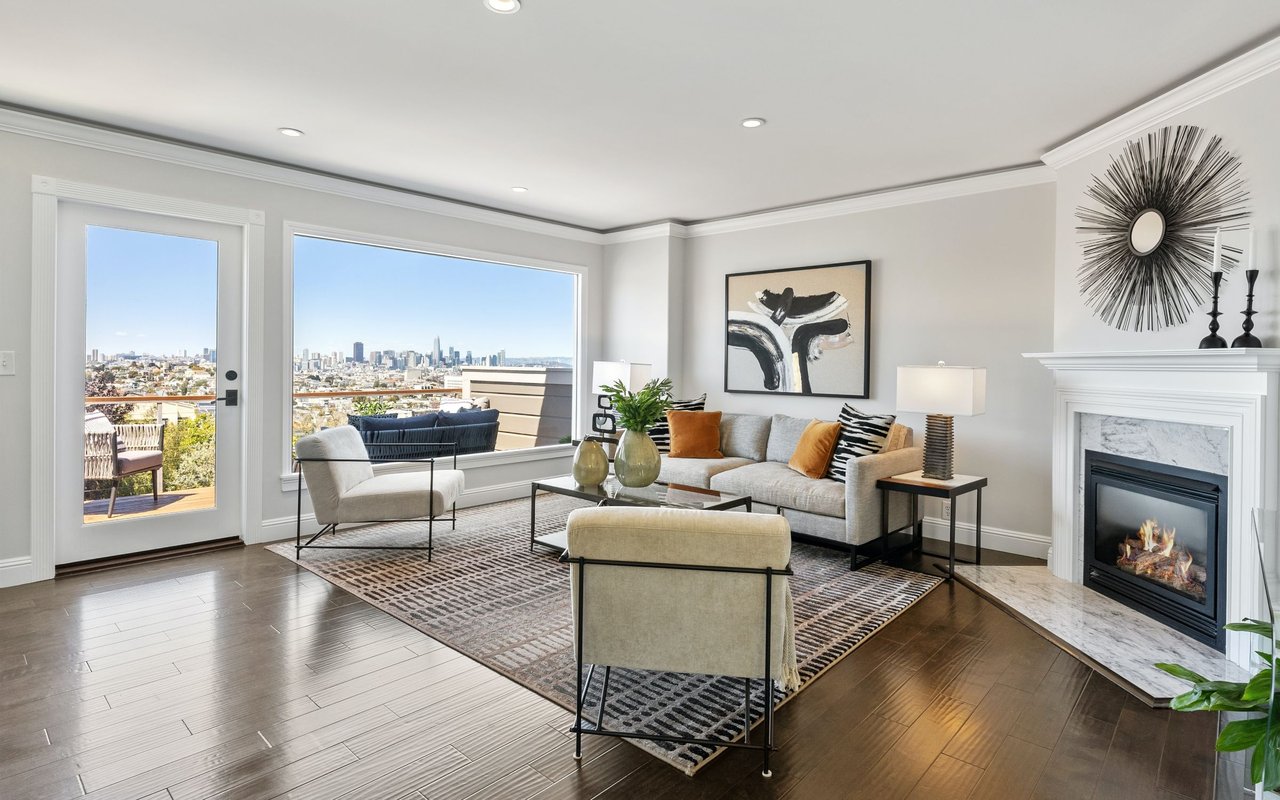
A beautiful view is great, but in Fulton Market, you also need to think about what may change around it. If a building sits next to a vacant lot, parking lot, or active development site, that open sightline may not stay open for long.
This is one of the biggest reasons I always encourage buyers to study the exact parcel, not just the neighborhood name. In a fast-changing district, future construction can affect light, privacy, and the feel of your block.
Understand Fulton Market’s Layered Streetscape
Part of Fulton Market’s appeal is that it does not feel uniform. A large portion of the older market fabric is preserved within the Fulton-Randolph Market Landmark District, a 74-acre district with 142 properties and 86 contributing buildings.
That preserved character creates a different pace on some blocks. You may find one street with older masonry buildings and another with newer towers, outdoor dining, and more visible development activity just around the corner.
Ask About Landmark and Planning Controls
Before you buy, find out whether the building or nearby parcels sit within a landmark district or a planned development. These designations can affect what gets built, how quickly the area changes, and what kind of review future construction may require.
Chicago states that landmark designation provides legal protection and triggers review of alterations, demolition, and new construction in landmark districts by the Commission on Chicago Landmarks. For a buyer, that can be meaningful context when you are weighing stability versus change on a specific block.
Match Amenities to Your Real Life
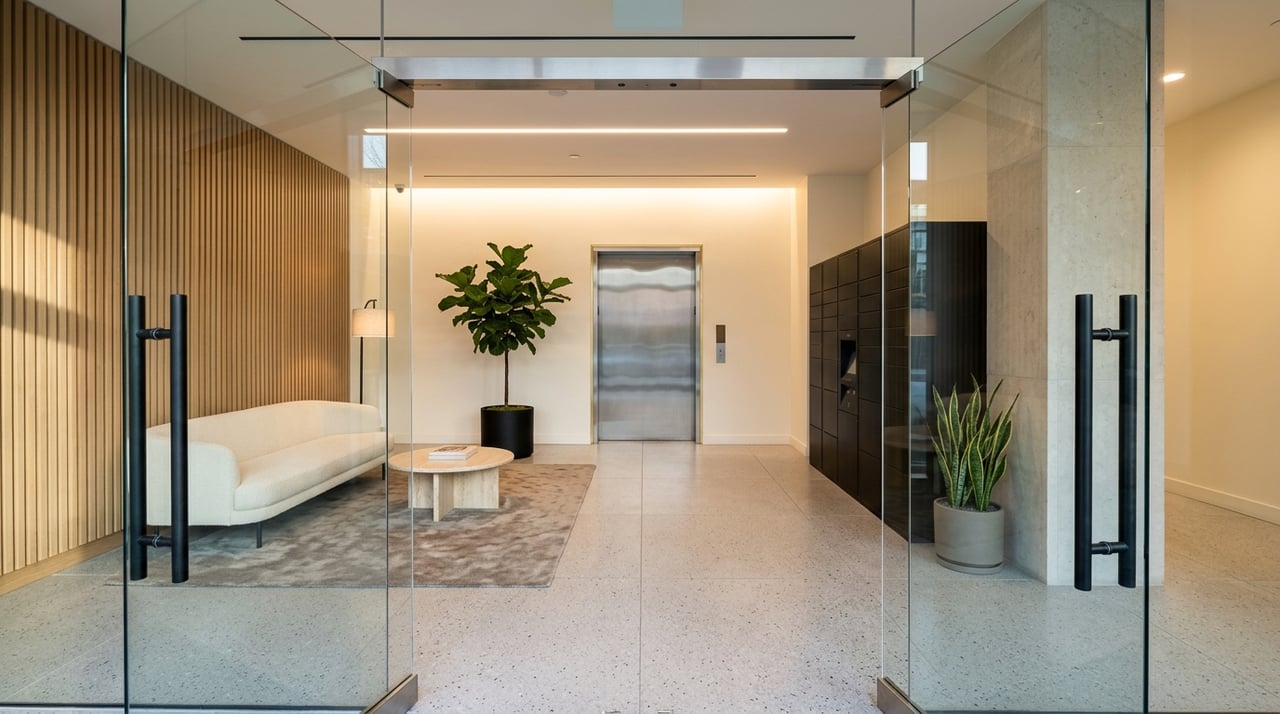
Fulton Market’s newer condo projects often come with strong amenity packages. City-approved planned developments in the area show recurring features like roof terraces, pool or fitness decks, open plazas, covered outdoor seating, green roofs, bike parking, and retail at street level.
These features can add convenience and appeal, but they are not equally useful to every buyer. The smartest approach is to compare the amenity package to how you actually live, not just how the marketing presents it.
Ask What You’re Really Paying For
A roof deck sounds great, but how often will you use it? A pool deck may photograph beautifully, yet Chicago weather and wind can limit how practical it feels across much of the year.
The same goes for fitness spaces, plazas, and outdoor seating areas. If you know you value privacy, low-maintenance ownership, or quieter common areas, it is worth asking whether the amenities support your routine or simply increase operating costs.
Clarify Shared and Exclusive Spaces
In mixed-use Fulton Market buildings, some spaces may connect closely to retail frontage or public-facing plazas. Street-level retail and outdoor dining can make a building feel vibrant, but they can also bring more foot traffic, deliveries, and evening activity.
Ask whether amenities are reserved only for condo owners or shared with another residential phase or adjacent uses. That distinction can affect both your day-to-day experience and the overall feel of the property.
Confirm the Parking Setup
Parking deserves special attention in this neighborhood. In some Fulton Market projects, parking and unit mix can vary sharply by phase, so you want clear answers before you move forward.
Be sure to ask whether parking is included, deeded, leased, or limited. That is a small detail on paper, but it can have a major impact on both convenience and long-term cost.
Read the Assessments Carefully
Monthly assessments tell an important story, but only if you read them in context. In amenity-rich buildings, a lower monthly number is not always a sign of stronger value.
Under the Illinois Condominium Property Act, condo boards must distribute a detailed annual budget and provide reasonable reserves for capital expenditures and deferred maintenance. When setting reserves, boards must consider repair and replacement costs, useful life, reserve studies, the effect of future assessment increases, and the association’s ability to finance or refinance.
Request the Right Documents
Before you make an offer, ask for the core association documents and financial disclosures. On a resale, Illinois law requires the association to provide key disclosure items that can help you evaluate the building’s financial health.
Request:
- the declaration, bylaws, and rules and regulations
- a statement of any unpaid assessments or other charges
- a statement of capital expenditures expected in the current or next two fiscal years
- the reserve fund balance and any earmarked reserve projects
- the last available financial condition statement
- any pending lawsuits or judgments
- the association’s insurance summary
Watch for Financial Red Flags
One red flag is a reserve waiver or very thin reserves. Illinois law allows some associations to waive all or part of reserve requirements by a two-thirds vote, and that waiver must be disclosed to prospective purchasers.
Another issue is a history of special assessments. The Act allows special assessments for emergencies or mandated work without unit-owner approval, which means a low monthly assessment may not reflect the full cost of ownership.
If a building has extensive amenities, very modest assessment growth can also deserve a closer look. More common-area systems and finishes usually mean more maintenance over time, so the financial picture should feel realistic for the type of property you are buying.
Treat Future Development as Part of Due Diligence
In Fulton Market, the neighborhood around your condo is part of the investment. This is still an area where the built environment continues to evolve, and that matters when you are buying for both lifestyle and resale.
The city’s 2021 Fulton Market Innovation District plan update allowed residential uses north of Lake Street and set a 30 percent affordability goal for new residential projects in that area. Since then, approved projects have continued to add residential and mixed-use density, including major developments at 1200 W Fulton, 1201-1215 W Fulton, and 1325 W Fulton.
Think in a Three-to-Five-Year Window
When you stand in a unit and love the light or open skyline, pause and ask what the surrounding block may look like a few years from now. Future towers can change views, natural light, and construction conditions, even if the area feels finished today.
That does not mean development is a negative. It simply means you should factor it into your decision with the same care you would give the floor plan, finishes, or monthly assessment.
Compare Stability and Growth
Some buyers want the energy of an actively developing corridor. Others prefer the relative stability that may come with protected historic streetscapes nearby.
Fulton Market offers both, often within a short walk. The key is knowing which version of the neighborhood best fits your priorities, then buying with a clear strategy instead of reacting only to a beautiful unit.
A Smart Fulton Market Condo Search
The best condo purchase in Fulton Market is not always the newest building or the flashiest amenity list. It is the home that fits your lifestyle, your financial comfort zone, and your expectations for how the block may change over time.
If you approach your search with a clear eye on location, building finances, amenity value, and future development, you will make a stronger decision and avoid surprises later. And in a neighborhood this dynamic, that kind of due diligence matters.
If you want a thoughtful, low-stress approach to buying in Fulton Market or anywhere in Chicago, Chloe Ifergan can help you build a custom strategy and navigate the process with confidence.
FAQs
What should you look for when buying a condo in Fulton Market?
- You should look closely at the exact block, the unit’s exposure, the building’s amenities, association finances, parking structure, and nearby development or landmark status.
Why does the block matter in Fulton Market condo buying?
- The feel of Fulton Market can vary block by block, with more active restaurant corridors near Randolph Street and Fulton Market Street and potentially calmer side streets nearby.
What condo documents should you request in Illinois before buying?
- You should request the declaration, bylaws, rules, unpaid assessment statements, expected capital expenditures, reserve information, financial statements, lawsuit disclosures, and insurance summary.
Are low condo assessments always a good sign in Fulton Market?
- Not necessarily, because low assessments may not reflect thin reserves, a reserve waiver, or the possibility of future special assessments in amenity-heavy buildings.
Why is future development important when buying in Fulton Market?
- Future development can affect views, light, privacy, and construction activity, so it is important to evaluate both the unit and the likely changes around it over the next few years.