If you own a historic Gold Coast condo, you are not just selling square footage. You are selling character, craftsmanship, and a lifestyle that feels distinctly Chicago. Today’s buyers still value that history, but they also want a home that looks bright, polished, and easy to step into, so let’s look at how to prepare your condo in a way that honors its past and appeals to the way buyers shop now.
Why presentation matters in Gold Coast
Gold Coast stands out for its historic architecture, established prestige, and design-conscious housing stock. It is also an active market where thoughtful presentation can make a real difference. Recent March 2026 market trackers reported a median sale price of $600,000, a median listing price of $654.8K, 168 homes for sale, a 99% sales-to-list-price ratio, and 49 median days on market.
That kind of market does not reward a casual launch. Buyers have options, and they are comparing listings closely before they ever book a showing. In a neighborhood known for elegant buildings and strong architectural identity, a well-prepared condo tends to feel more competitive from the start.
Online first means photo ready first
Most buyers begin online, not at the front door. According to 2025 industry research, 81% of buyers said listing photos were the most useful feature during their home search. The same research found that 83% of buyers’ agents said staging helps buyers visualize a property as a future home.
For you, that means the listing package needs to do a lot of work early. Your photos, room styling, lighting, and listing copy should help buyers quickly understand both the condo’s historic charm and its present-day livability.
Start with a condition audit
Before you think about a renovation, start with a clear-eyed review of the home’s condition. A pre-sale inspection is not required, but it can help identify issues you may want to repair before the property hits the market. It can also reduce the chance of surprises later during negotiation.
This step helps you separate essential fixes from optional upgrades. It is often more strategic to understand the cost of a larger repair, even if you decide not to complete it before listing. That gives you a stronger plan for pricing, disclosures, and buyer conversations.
What to look for first
Focus on the items that affect a buyer’s sense of care and maintenance:
- paint touch-ups and wall condition
- lighting that feels dim or dated
- worn caulk or grout in baths and kitchens
- sticky hardware, loose handles, or small repair items
- window cleanliness and overall brightness
- cluttered storage areas or overfilled closets
In a historic condo, small condition details matter because buyers often read them as signs of how the home has been maintained over time.
Preserve character, refresh the rest
One of the biggest mistakes in a historic home is trying to erase what makes it special. Chicago’s preservation guidance supports repairing rather than replacing distinctive historic features whenever possible. If replacement is necessary, the goal is to match materials and visual qualities and keep new work compatible with the property’s architecture.
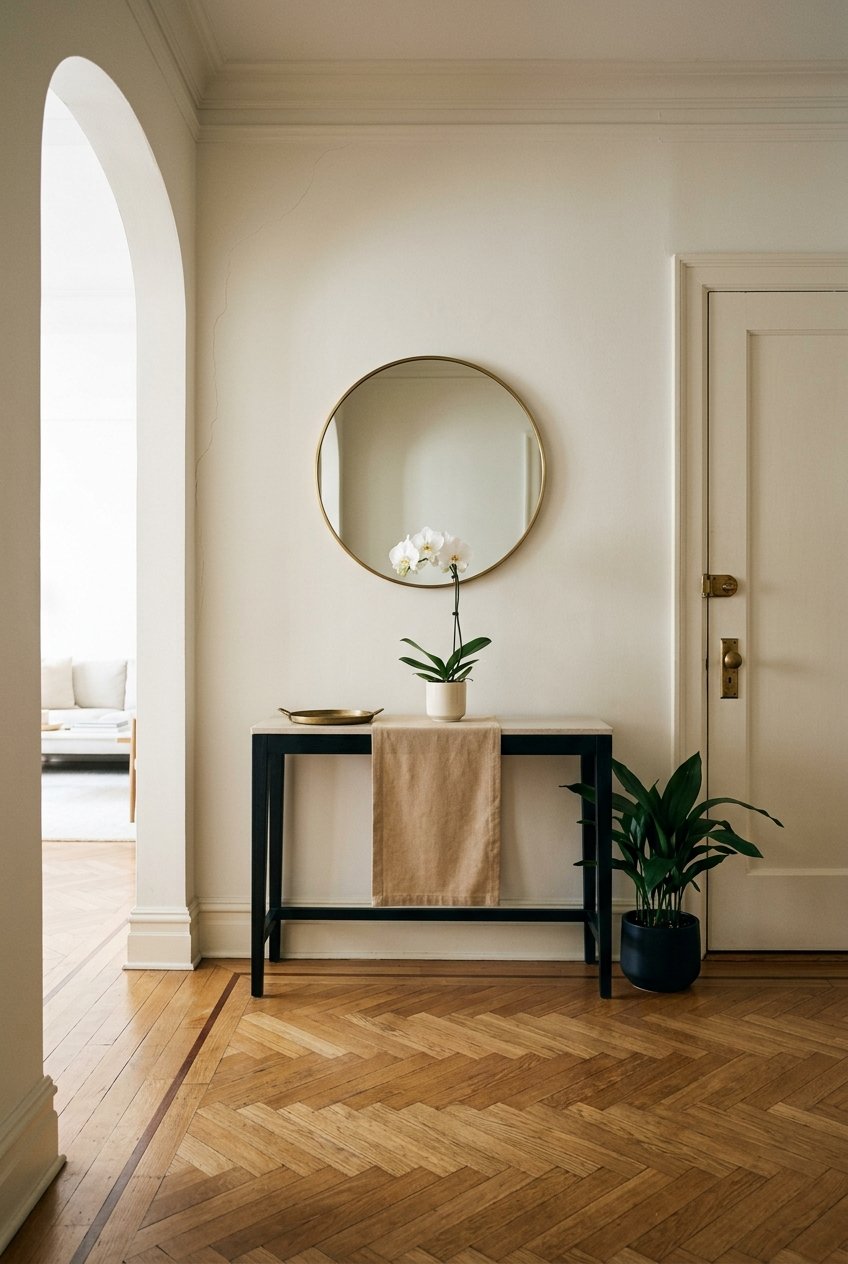
That makes the pre-listing strategy fairly clear. Preserve the original details that give the condo its identity, then refresh the surfaces and finishes around them so the home feels clean, current, and cared for.
Features worth protecting
Depending on your condo, that may include:
- original millwork or molding
- vintage doors and hardware
- decorative fireplace surrounds
- historic flooring or parquet
- classic ceiling details
- proportion, symmetry, and formal room flow
These features help your home stand apart from newer inventory. They can be part of the value story, not an obstacle to it.
Updates that usually help
Light-touch cosmetic updates are often enough to improve the buyer experience:
- neutral paint colors
- brighter warm lighting
- deep cleaning of walls, fixtures, and floors
- polished hardware
- refreshed grout and caulk
- simplified decor and furniture layouts
The goal is not to make a historic condo look brand new. The goal is to make it feel beautifully maintained and easy to move into.
Know the historic guardrails
If your building is in a designated Chicago landmark district, the city reviews permit applications for work that affects significant historical or architectural features. For landmark districts, that typically relates to exterior building elevations visible from the public right-of-way.
Routine maintenance such as painting and minor repairs does not require a building permit according to city guidance. Still, if you are considering changes to windows, façade elements, balconies, or other prominent exterior-facing features, it is smart to check requirements before doing the work. In most cases, interior staging and cosmetic prep are much simpler than exterior-visible alterations.
Stage the rooms that drive decisions
You do not need to stage every inch of a historic condo to make an impact. In 2025 staging research, the living room, primary bedroom, and kitchen ranked as the most important rooms to stage. Dining rooms and outdoor spaces also mattered, but they were secondary.
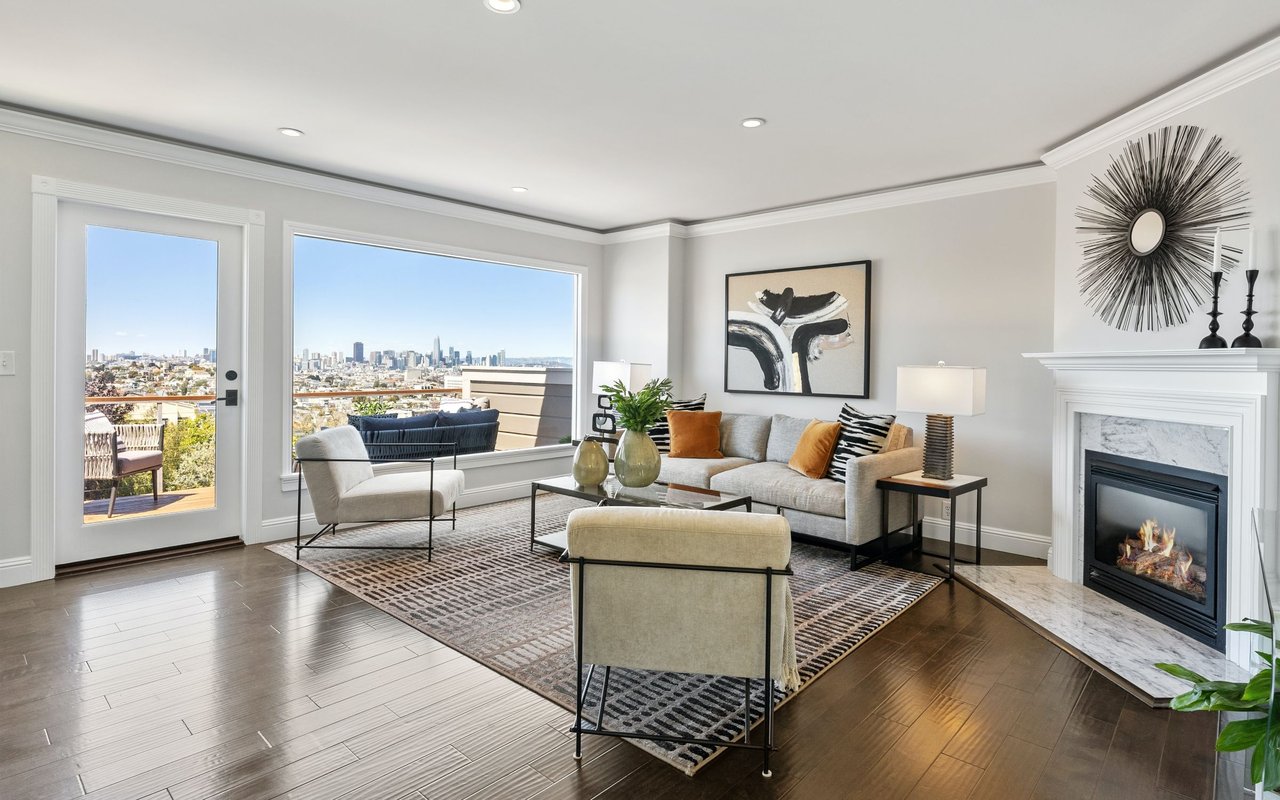
That is especially helpful in Gold Coast, where many condos already have strong architectural presence. Partial staging is often enough if it helps the layout feel spacious and allows original details to stand out.
Where to focus your staging budget
Prioritize spaces that shape the buyer’s first impression:
- Living room: Create clear conversation space and show scale without overcrowding.
- Primary bedroom: Make it feel calm, open, and restful.
- Kitchen: Keep surfaces minimal and highlight function, storage, and finish quality.
- Dining area: Define it if the layout needs help reading clearly.
- Outdoor space: If you have a terrace or balcony, keep it tidy and usable.
Try to avoid furniture that competes with ornate details or blocks natural sightlines. In a historic condo, architecture should stay visible.
Edit for light, space, and flow
Historic homes can sometimes feel smaller or darker in photos if they are overly furnished or too personalized. That is why decluttering and editing matter so much. Industry seller guidance recommends storing away clutter, depersonalizing, removing bulky furniture, and keeping closets about half full rather than packed.
This is one of the simplest ways to make a condo feel more current. When buyers can see the windows, the ceiling height, the room shape, and the original detailing without visual distraction, the home tends to photograph better and show better.
A few high-impact edits
- Remove excess side tables and oversized seating
- Clear kitchen and bath counters
- Edit bookshelves and display surfaces
- Store personal photos and highly specific decor
- Open window treatments for maximum natural light
- Keep closets neat and intentionally underfilled
These changes help your condo read as elegant rather than crowded.
Write the listing around both charm and function
A great Gold Coast listing should not rely on character alone. Buyers want the romance of a historic home, but they also want to understand how it works for daily life. That means your listing copy should describe original features clearly while also naming the practical updates that matter now.
Useful details may include refreshed kitchen or bath finishes, storage, natural light, views, sound management, and move-in readiness. The strongest listings balance emotional appeal with straightforward clarity, especially for buyers who are comparing multiple polished condos online.
Launch with a showing routine
Once your home is live, consistency matters. Before every showing, seller guidance recommends cleared counters, wiped surfaces, organized bathrooms, hidden valuables and medications, open window treatments, and all lights on. With a good routine, many sellers can get ready in less than an hour.
That matters because buyers often decide quickly whether a home feels effortless or demanding. In Gold Coast, where presentation standards are high, a calm, bright, orderly showing experience supports the value you are trying to communicate.
Your pre-showing checklist
- Turn on all lights
- Open blinds or drapes
- Wipe kitchen and bath surfaces
- Clear counters and entry surfaces
- Tidy the refrigerator exterior and visible storage areas
- Put away personal items, valuables, and medications
- Make beds and straighten linens
- Do a final walk-through at photo level, not eye level
That last step is useful because buyers often notice a home the way a camera does first.
Historic status can be an advantage
Some sellers worry that historic or landmark status will limit buyer interest. Chicago’s guidance suggests the opposite is often true. The city notes that landmark designation is often regarded as an asset, generally does not negatively affect values, and can enhance a building’s prestige.
For a Gold Coast condo, that can be part of the positioning. Historic character, when preserved and presented well, gives buyers something they cannot easily replicate in a newer building. The key is to pair that story with a home that feels clean, functional, and ready for modern living.
The smartest prep is usually selective
You do not need to over-renovate to compete with today’s buyer. In fact, for many historic Gold Coast condos, the strongest strategy is selective preparation: assess condition, fix what undermines confidence, preserve what makes the home memorable, and stage the rooms that matter most.
That approach protects the condo’s identity while making the listing feel polished and low-friction. In a screen-first market, that balance often gives buyers exactly what they want: timeless character without unnecessary guesswork.
If you are preparing to sell in Gold Coast, the right plan can make the process feel far more focused and far less stressful. For a tailored strategy on how to position your condo, connect with Chloe Ifergan.
FAQs
What should you preserve in a historic Gold Coast condo before selling?
- Preserve distinctive original features whenever possible, such as millwork, vintage hardware, decorative details, flooring, and formal architectural elements, then refresh surrounding finishes so the home feels maintained and market-ready.
What rooms matter most when staging a Gold Coast condo for sale?
- The living room, primary bedroom, and kitchen are the top priorities, with dining areas and outdoor spaces as secondary focus areas if budget and layout call for it.
Do Chicago landmark rules affect updates to a Gold Coast condo?
- They can, especially for work affecting exterior features visible from the public right-of-way, so exterior-facing changes should be checked carefully while interior staging and minor cosmetic prep are usually more straightforward.
Does historic status help or hurt a Gold Coast condo sale?
- Chicago states that landmark designation is often seen as an asset, generally does not negatively affect values, and can add prestige when the property is presented thoughtfully.
How much pre-listing work should you do before selling a historic condo in Gold Coast?
- Start with a condition audit, address repairs and cosmetic issues that affect buyer confidence, and focus on selective updates rather than unnecessary renovation so the home feels polished without losing character.