Trying to choose between a loft, a vintage walk-up, and new construction in Wicker Park can feel harder than picking the neighborhood itself. Each option offers a very different daily experience, and in Wicker Park, all three can sit just blocks apart. If you want a home that fits both your lifestyle and your long-term goals, it helps to understand what each property type tends to offer in this part of Chicago. Let’s dive in.
Why Wicker Park Gives You Real Choice
Wicker Park is part of the larger West Town community area, even though many buyers think of it as its own standalone market. That matters because listing boundaries and neighborhood labels can blur, especially near Bucktown and Ukrainian Village. If you are searching broadly, you may see overlap in how homes are categorized and marketed.
The neighborhood also has an unusually layered housing stock. The core Wicker Park landmark district dates roughly from 1870 to 1930, and the area is known for its strong collection of late-19th-century architecture. That historic foundation is one reason you can find vintage flats, converted lofts, and newer condo buildings all in the same search.
West Town’s 2024 housing mix helps explain what you will actually see on the market. According to DePaul’s Institute for Housing Studies, the area’s housing stock was 30.3% condominiums, 32.2% buildings with 2 to 4 units, 28.5% buildings with 5 or more units, and 8.9% single-family homes. Sales were also concentrated in condos and small multi-unit buildings, which makes this a condo- and flat-driven market for most buyers.
For pricing context, Wicker Park remains one of Chicago’s more expensive submarkets. Redfin reported a median sale price of $634,900 in March 2026, while Realtor.com reported a median listing price of $650,000 and a median rental price of $3,000 per month. The neighborhood is also highly transit-oriented, with 24-hour Blue Line service and access to the 606 trail.
Walk-Ups Offer Classic Chicago Character
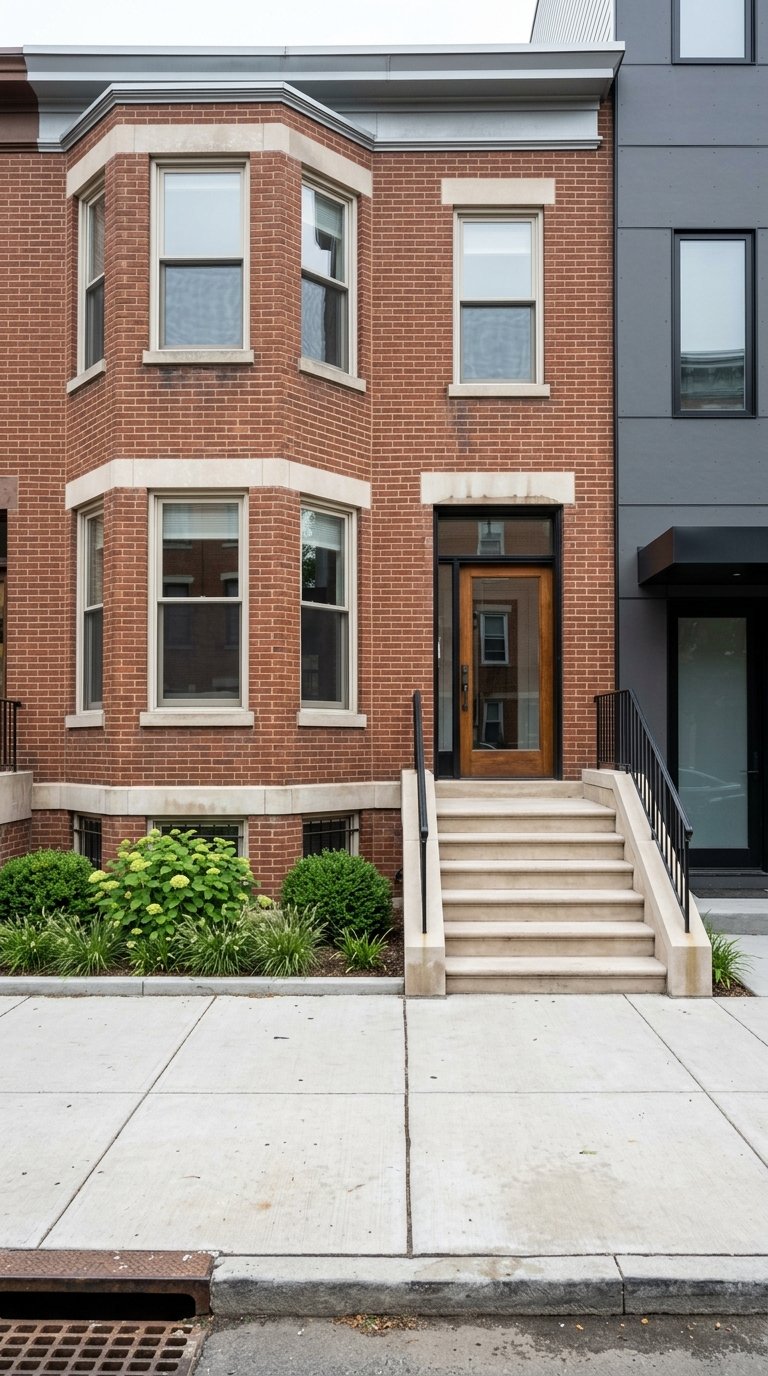
If you picture Wicker Park as tree-lined streets, brick flats, vintage details, and smaller residential buildings, you are probably picturing the walk-up category. These homes often live in two-flats, three-flats, and courtyard-style buildings that reflect the neighborhood’s older architectural history. For many buyers, this is the most classic version of Wicker Park living.
Chicago’s two- and three-flats were largely built between 1900 and 1918, and they remain a defining part of the city’s housing fabric. These buildings often feature brick or stone facades, bay windows, porches, and decorative cornices. In Wicker Park, they can also include original interior details that give the space a sense of texture and history.
The biggest draw here is usually character. A vintage walk-up can feel more intimate and more tied to the neighborhood than a newer condo building. If you care about architecture, original finishes, and a distinctly Chicago setting, this option often delivers that feeling best.
That said, charm usually comes with trade-offs. Walk-up buildings often have accessibility limitations, and many do not include elevators, extensive amenities, or guaranteed parking. Some units may offer private parking, but in this neighborhood, parking should be treated as a premium feature, not a given.
Who a walk-up fits best
A vintage walk-up may be the right fit if you value:
- Architectural detail
- Smaller building scale
- A more established residential feel
- Location over amenities
- A home with a strong sense of place
If your priority is convenience, elevator access, or newer finishes throughout, you may find yourself leaning in another direction.
Lofts Bring Design and Flexibility
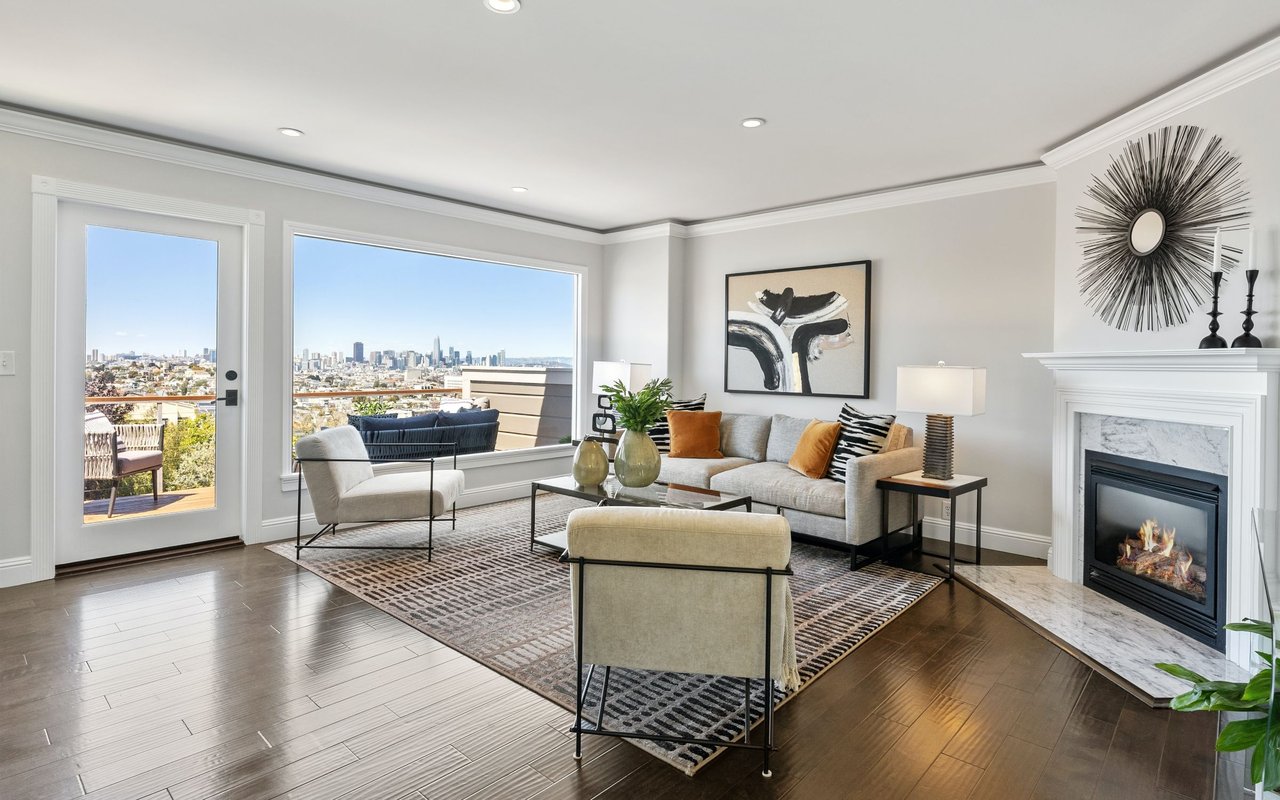
Lofts are often the most design-forward option in Wicker Park. The neighborhood has a meaningful loft identity because former commercial and industrial buildings were adapted into residential spaces over time. That history gives Wicker Park lofts a look and feel that is hard to replicate in standard condo inventory.
Across local examples, the design language is fairly consistent. You will often see exposed brick, timber beams, oversized windows, glass block, and open floor plans. Rooftop decks and other outdoor spaces also show up regularly, adding to the appeal for buyers who want something visually distinctive.
Many loft buyers are drawn to the openness of the layout and the personality of the space. A loft can feel creative, airy, and unlike anything else in a more conventional building. In a neighborhood like Wicker Park, that kind of identity can be a big part of the value.
The trade-off is that lofts are often more idiosyncratic than a standard condo. Some include practical features like private elevator access, gated parking, or large roof decks, while others lean more heavily into raw industrial style. The more customized the home, the more important it is to think about how the layout and amenities will work for you now and at resale.
What to evaluate in a loft
When comparing loft options, pay close attention to:
- Window size and natural light
- Noise exposure from the street
- Elevator access
- Parking availability
- Outdoor space
- How open the floor plan really feels in daily use
A beautiful loft can be very compelling, but the strongest long-term value often comes when the design appeal is paired with practical features buyers consistently want.
New Construction Prioritizes Convenience
If your focus is turnkey living, newer finishes, and a more streamlined day-to-day experience, new construction may be the strongest fit. In Wicker Park, newer inventory usually comes in the form of condos, three-flats, and mid-rise buildings rather than large high-rises. That means you can still get modern living without losing the neighborhood scale that draws many buyers here.
Local examples show a clear pattern in what newer homes emphasize. Features often include open floor plans, high ceilings, large glass doors, balconies, rooftop decks, side terraces, and courtyard or gated parking. In other words, this category tends to deliver the convenience package many buyers want most.
Newer construction can also offer a more predictable ownership experience, at least in terms of finishes and layout. If you do not want to take on updates right away, or if you strongly prefer modern kitchens, newer systems, and contemporary design, this category can simplify your decision.
Still, new construction is not automatically the right answer for everyone. In Wicker Park, newer homes can overlap in price with vintage and loft properties, which means you are often choosing not just by budget, but by priorities. The real question is whether you want character, design edge, or convenience to lead the decision.
Who new construction fits best
Newer construction often works well if you want:
- Move-in-ready condition
- Modern layouts and finishes
- More consistent outdoor space options
- Better odds of included parking
- A lower-maintenance feel
If your ideal home needs warmth, patina, and one-of-a-kind detail, a vintage home or loft may still feel more compelling.
The Real Trade-Offs to Compare
Once you narrow your search to these three categories, the next step is comparing the features that affect daily life most. In Wicker Park, the differences are often less about square footage and more about how the home actually lives.
Sound and privacy
This is especially important in a neighborhood with active commercial corridors and strong transit access. Some newer developments have been intentionally set back from busier streets, while older buildings and lofts can vary more depending on where the unit sits within the building. Ask not just about the address, but about orientation and placement.
Light and airflow
Lofts usually stand out for large windows and open interiors. Vintage courtyard and walk-up buildings can also offer strong natural light, ventilation, and even shared green-space benefits when the layout and orientation are favorable. This is one area where the specific unit matters as much as the building type.
Outdoor space
Private outdoor space is a major selling point in Wicker Park. Rooftop decks, terraces, and balconies appear across both lofts and newer condos, while older walk-ups may offer less predictable options. If outdoor living matters to you, make it a top filter early.
Parking
Parking should always be verified. Some homes include it, some offer it separately, and some older buildings do not have it at all. In this neighborhood, parking adds real value because it is not universal.
Resale appeal
West Town sales are heavily concentrated in condos and small multi-unit buildings, which suggests those product types should continue to be the most active part of the market. Lofts can also resell well, but they may appeal to a more specific buyer pool, especially if the layout is highly customized. The broader the appeal of the building and amenities, the easier that conversation usually becomes.
How to Choose the Right Fit
If you are deciding between these options, it helps to frame the choice around your lifestyle first and the finishes second. Wicker Park gives you three very different experiences in one market: historic walk-up character, industrial loft living, and newer-construction convenience. None is universally better. The right one depends on how you want to live.
A simple way to think about it is this:
- Choose a walk-up if you want neighborhood texture, architectural detail, and classic Chicago charm.
- Choose a loft if you want volume, visual personality, and a more design-driven interior.
- Choose new construction if you want ease, modern features, and a more turnkey experience.
Because Wicker Park overlaps so naturally with nearby Bucktown and Ukrainian Village in many buyers’ searches, it also helps to compare options across those nearby areas. Sometimes the best match is not just about property type. It is also about which block, building style, and daily rhythm feel right to you.
If you want help weighing the trade-offs clearly, working with an advisor who understands both the lifestyle and negotiation side of Chicago real estate can make the process feel much more straightforward. For a private consultation on buying, selling, or investing in Chicago, connect with Chloe Ifergan.
FAQs
What is the main difference between a loft, walk-up, and new construction in Wicker Park?
- A walk-up usually offers vintage character and a smaller-building feel, a loft usually offers industrial design and open space, and new construction usually offers modern finishes and more convenience-focused features.
Are walk-up condos in Wicker Park more likely to have vintage details?
- Yes. Many walk-up homes in Wicker Park are in older two-flats, three-flats, or courtyard buildings that may include original architectural details and a more historic feel.
Do Wicker Park lofts usually have outdoor space?
- Many local loft examples include rooftop decks, terraces, or other outdoor areas, but features vary by building and unit.
Is parking common in Wicker Park condo buildings?
- Parking exists in some lofts, walk-ups, and newer condos, but it is best treated as a premium feature rather than a standard one.
Is new construction in Wicker Park mostly high-rise living?
- No. In Wicker Park, newer housing is more commonly found in condos, three-flats, and mid-rise buildings rather than large high-rises.
Why do buyers compare Wicker Park with Bucktown and Ukrainian Village?
- Buyers often compare these areas because neighborhood labels and search boundaries can overlap, even though they are distinct neighborhoods within the broader West Town area.