If you want a Chicago neighborhood with real architectural character, easy access to downtown, and a main-street feel that still feels connected to the city’s energy, Old Town deserves a close look. For many buyers and renters, the challenge is finding a place that feels lively without feeling overwhelming, and historic without giving up convenience. Old Town stands out because it balances preserved streetscapes, a broad mix of homes, and a commercial corridor that supports daily life. Let’s dive in.
What makes Old Town distinct
Old Town is one of those Chicago neighborhoods that feels immediately recognizable. Its identity is shaped by historic streets, low-rise buildings, and Wells Street, which serves as the neighborhood’s main commercial corridor.
At the heart of that identity is the Old Town Triangle District. The City of Chicago designated the district as a landmark on October 28, 1977, and its roots go back to the 1850s, when German immigrants settled the area. After the Great Fire of 1871, the neighborhood rebuilt, and preservation efforts in the early 1940s helped protect its narrow, tree-lined streets and distinctive architecture.
That history still shows up in the way Old Town feels today. Instead of reading like a large-scale redevelopment zone, the neighborhood has a more layered and established character that many Chicago buyers find appealing.
Old Town homes and architecture
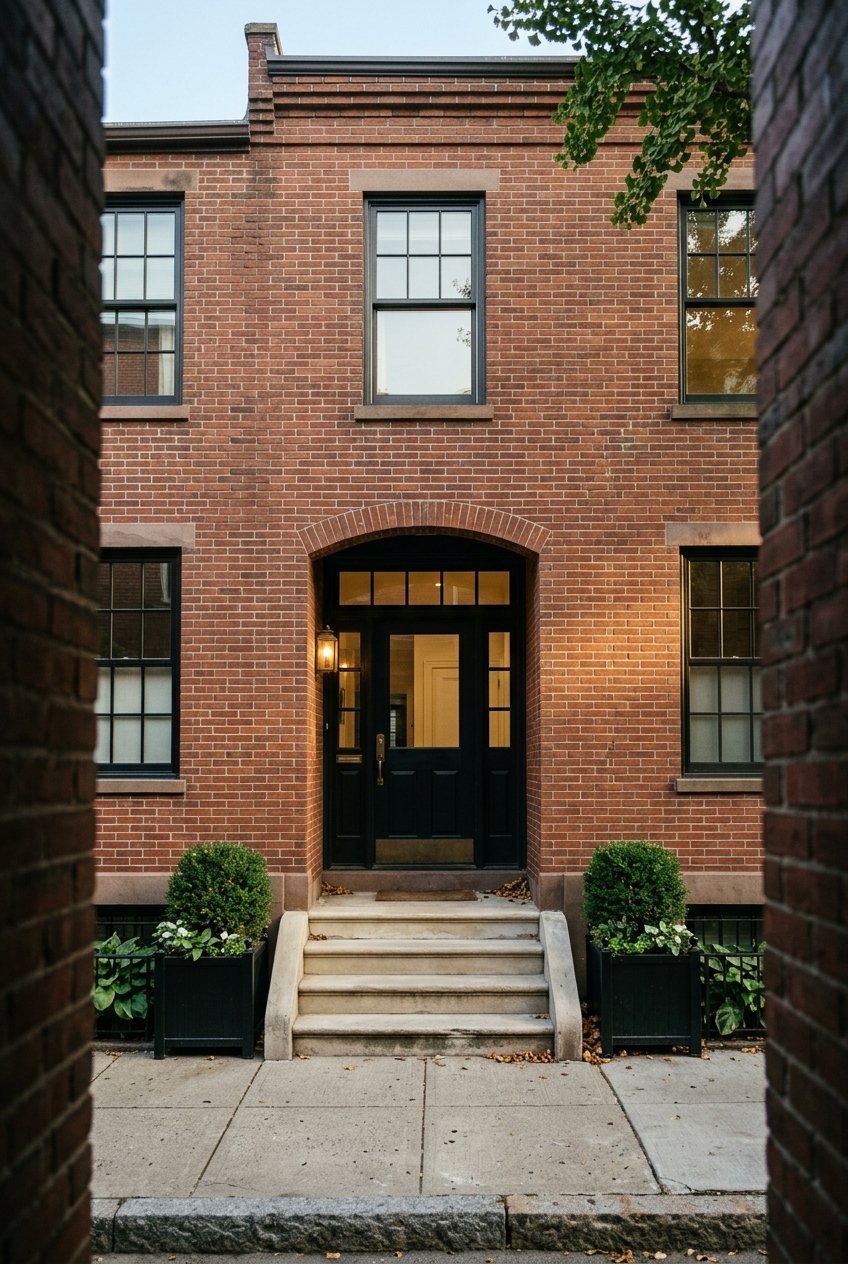
One of the biggest reasons people are drawn to Old Town is the housing stock. In the landmark district, the City of Chicago notes a mix of worker-style cottages, later brick and stone houses, rowhouses, and apartment buildings.
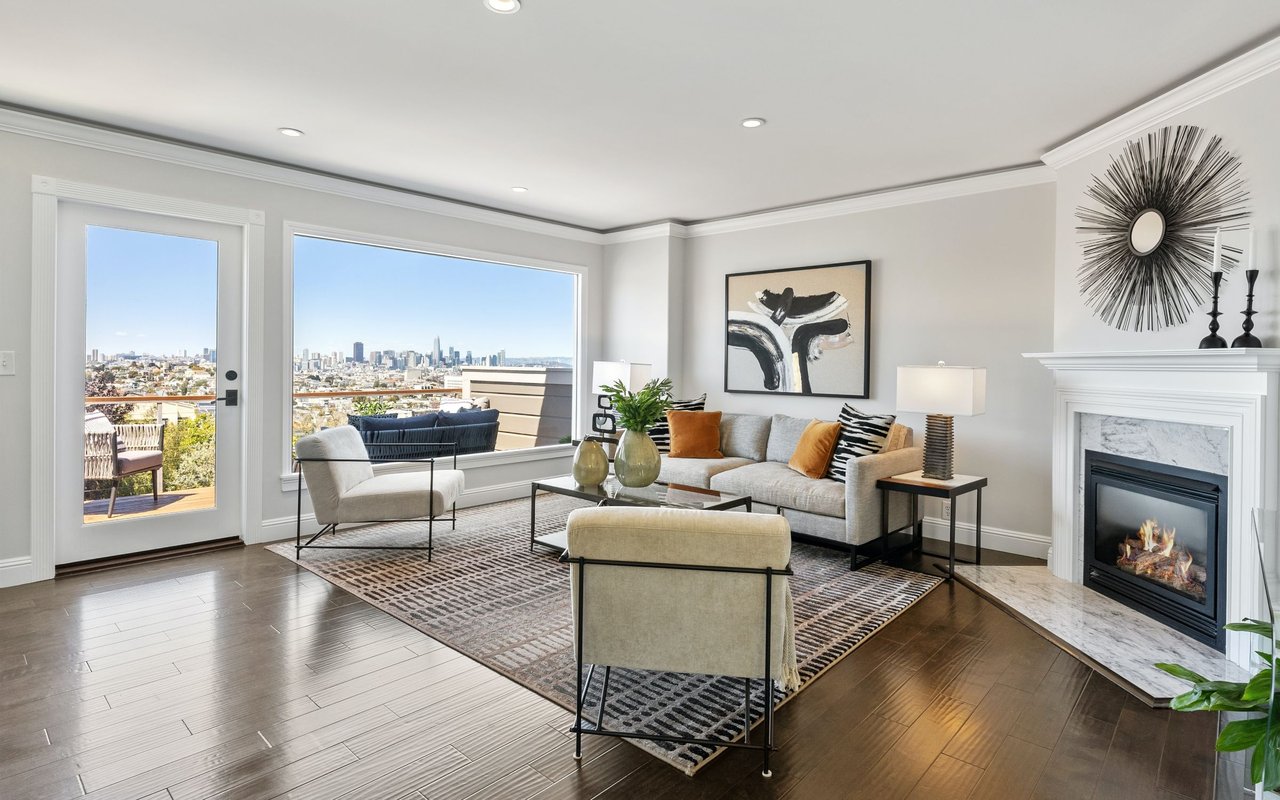
That variety gives the neighborhood a more intimate street scale than some nearby areas. You can walk past historic residences, vintage walk-ups, and classic masonry buildings, then turn a corner and see condo living options that suit a lower-maintenance lifestyle.
Old Town is not limited to one type of buyer or renter. The broader neighborhood includes condo associations such as Americana Towers Condominium Association and 1660 Condominium Association, along with newer projects like W8 Old Town, a four-story residential building with eight condominium units.
There is also newer apartment inventory in the area. Hines notes that 1225 Old Town was the first new luxury apartment building built in the surrounding area since 1989, which adds another layer to the neighborhood’s housing mix.
What living in Old Town feels like
Old Town’s lifestyle is centered less on the lakefront and more on the street. Wells Street is where much of that energy comes together, with retailers, health and wellness services, bars, restaurants, comedy clubs, independent theater, and community organizations all concentrated along the corridor.
That creates a day-to-day experience that can feel very convenient. Instead of planning around long drives or multiple stops in different parts of the city, you may find that errands, coffee, dinner, and entertainment can fit into one neighborhood outing.
Wells Street also helps define Old Town’s personality. Choose Chicago describes the area as having vintage charm, boutiques, late-night energy, and long-running institutions such as The Second City, Twin Anchors, The House of Glunz, and The Fudge Pot.
For many people, that mix is the appeal. Old Town feels active and social, but its draw comes from neighborhood-scale experiences and architectural setting rather than a purely high-rise or waterfront identity.
Transit and access in Old Town
For a historic neighborhood, Old Town offers strong transit access. The Brown Line serves Sedgwick, Armitage, Chicago, and nearby Merchandise Mart, and Purple Line Express trains serve Sedgwick, Armitage, and Chicago during rush periods.
That matters if you want a direct rail connection into the Loop without living in the Loop itself. It also supports a lifestyle where commuting, meeting friends downtown, or moving between neighborhoods can feel more straightforward.
Bike access also plays a role in daily convenience. OTMRA notes that Wells Street has painted bike lanes in both directions, which adds to the corridor’s accessible, street-oriented feel.
Shopping, dining, and neighborhood rhythm
Old Town offers a broad mix of businesses rather than one narrow dining or retail niche. According to OTMRA’s directory, the neighborhood includes sushi, Italian, brunch, pubs, tacos, coffee, dessert, and cocktail spots, along with shops and service businesses.
Retail and specialty names in the area include The Spice House, Mercy Beaucoup Resale Boutique, Sara Jane, Slant of Light Books, The House of Glunz, and wellness-oriented businesses. That range supports both daily routines and more leisurely neighborhood browsing.
The neighborhood also has programming that keeps the corridor active. OTMRA highlights events such as Shop Late on Wells Street and Old Town Progressive Dinner Wednesdays, which add another layer to the area’s social rhythm.
Old Town compared with nearby neighborhoods
Old Town is often considered alongside nearby central neighborhoods, but it offers a different kind of experience. Compared with more directly lake-adjacent areas, Old Town is more focused on architecture, walkable streets, and its commercial spine.
Choose Chicago describes Gold Coast as a luxury, lake-adjacent neighborhood with historic mansions, boutiques, and Rush Street nightlife. Streeterville is framed around Navy Pier, Ohio Street Beach, and the Lakefront Trail, while Lincoln Park is known for green space, the zoo, the conservatory, North Avenue Beach, and extensive lakefront amenities.
Old Town shares the convenience of a close-in location, but its identity is less waterfront-centric. If you are deciding between neighborhoods, that difference can be meaningful.
Old Town may feel like a fit if you want
- Historic streets and preserved architecture
- A walkable, main-street atmosphere
- Easy Brown Line access to downtown
- A mix of vintage homes, condos, and newer residential options
- Dining, shopping, and entertainment close to home
You may want to compare further if you prefer
- A more direct lakefront setting
- Larger concentrations of high-rise living
- A lifestyle centered on beach, park, or waterfront amenities
Who Old Town tends to appeal to
Based on its housing mix, transit access, and commercial structure, Old Town is likely to appeal to people who want a historic, walkable, entertainment-oriented neighborhood with easy access to downtown. It can be especially appealing if you value architectural character and convenience more than private yard space.
That may include buyers looking for vintage charm, condo buyers seeking lower-maintenance living, or people who want to be close to city energy while still living in a neighborhood with a more established street presence. It can also be a strong option if design and setting matter to you as much as location.
What to keep in mind as you search
Old Town is not a one-note neighborhood, and that is part of its strength. The block-to-block experience can shift between landmark charm, condo living, and more recent residential development, so it helps to define what matters most to you before you start touring.
Think about the lifestyle you want first. If your priority is a preserved architectural setting, you may be drawn to areas closer to the landmark district. If convenience and lower-maintenance living are higher on your list, a condo or newer residential building may be the better fit.
It is also worth paying attention to how you want to move through the city. Access to Wells Street, Brown Line stops, and nearby daily-use businesses can shape your day-to-day experience just as much as the home itself.
Old Town works best when your home choice and your lifestyle priorities match. When they do, the neighborhood can offer a compelling combination of character, access, and ease.
If you are thinking about buying, selling, or investing in Old Town or another close-in Chicago neighborhood, a tailored strategy makes all the difference. Chloe Ifergan brings a thoughtful, low-stress approach with sharp neighborhood insight to help you make a confident move.
FAQs
What is Old Town Chicago known for?
- Old Town is known for its historic character, the landmark Old Town Triangle District, Wells Street’s shops and restaurants, and strong access to downtown via the Brown Line.
What types of homes are in Old Town Chicago?
- Old Town includes worker-style cottages, brick and stone houses, rowhouses, apartment buildings, condo associations, and some newer boutique residential developments.
Is Old Town Chicago walkable?
- Yes. Wells Street functions as a dense commercial corridor with many daily-use businesses, dining spots, entertainment venues, and painted bike lanes.
How do you get downtown from Old Town Chicago?
- The Brown Line serves Sedgwick, Armitage, Chicago, and nearby Merchandise Mart, with direct access into the Loop, and Purple Line Express trains also stop at Sedgwick, Armitage, and Chicago during rush periods.
How is Old Town different from Gold Coast or Lincoln Park?
- Old Town is more centered on historic streets, architecture, and Wells Street’s neighborhood-scale activity, while Gold Coast and Lincoln Park are more closely associated with lakefront and park-oriented amenities.