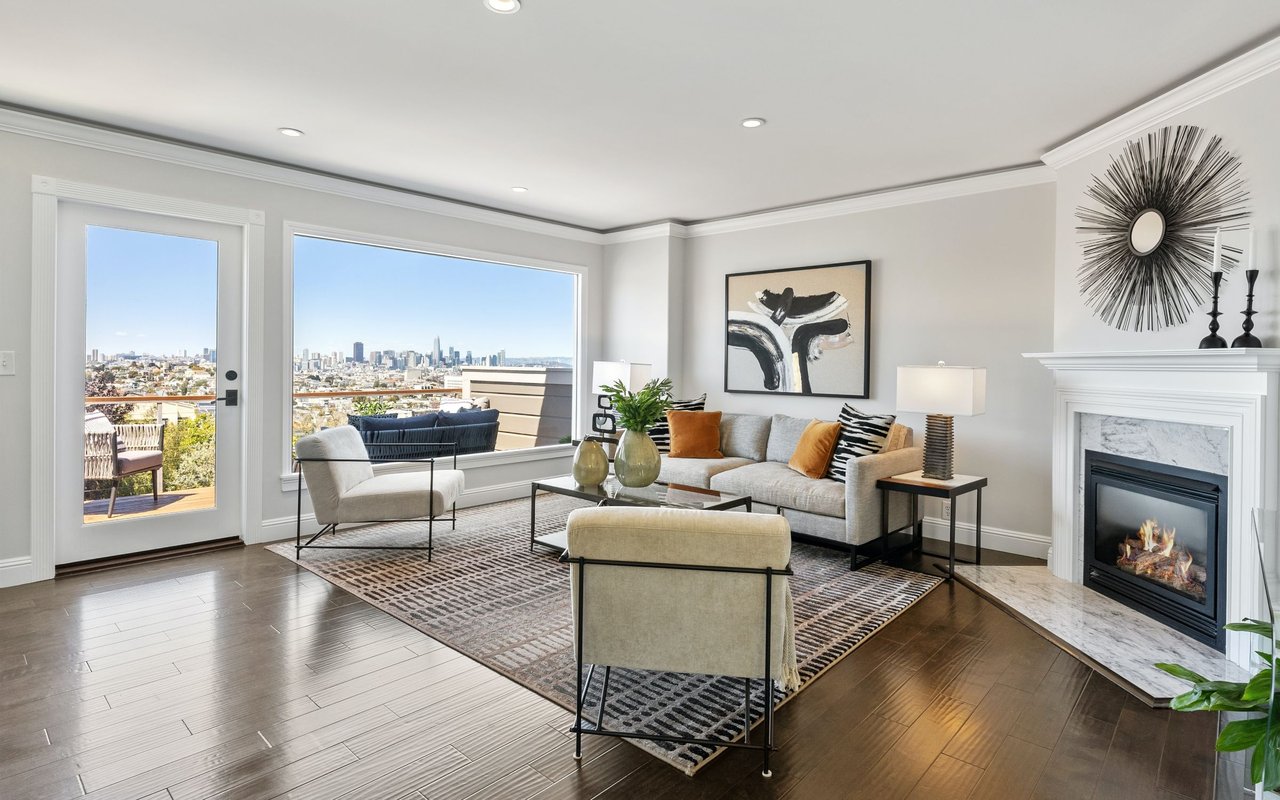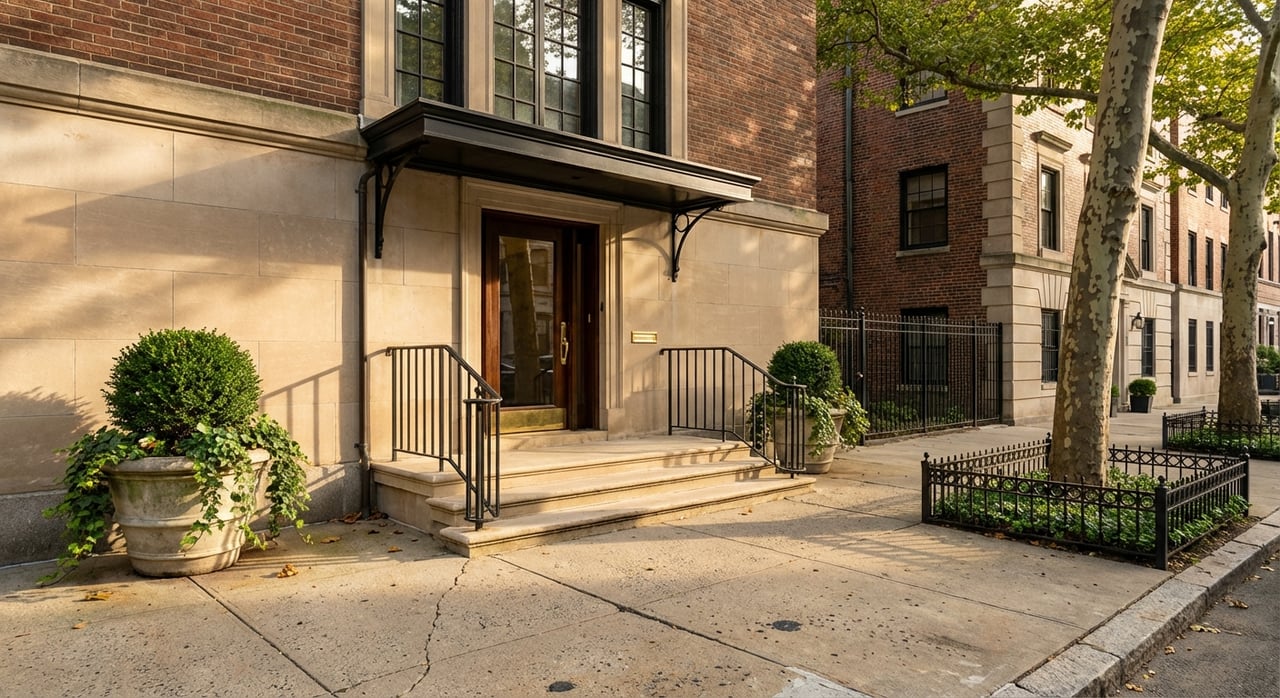
What does a perfect Chicago day look like to you? Maybe it’s a morning walk under leafy canopies, a quick swim at Oak Street Beach, and dinner steps from your door. If that sounds right, the Gold Coast might be your fit. In this guide, you’ll get a clear feel for the neighborhood, the housing styles you’ll find, how you’ll get around, and the smart checks to make before you buy or rent. Let’s dive in.
Where the Gold Coast sits
The Gold Coast is part of Chicago’s Near North Side, right beside the lakefront and just west of the Magnificent Mile. The area combines quiet residential blocks with easy access to the city’s best shopping and dining. Tree‑lined streets, historic architecture, and lake views set the tone.
When you hear “Gold Coast,” people may mean two slightly different footprints. The officially listed Gold Coast Historic District is roughly bounded by North Avenue to the north, Lake Shore Drive to the east, Oak Street to the south, and Clark Street to the west. You can see that formal description in the National Register listing. In everyday use, some locals stretch the southern edge closer to Chicago Avenue or include parts of East Lake Shore Drive. When comparing addresses or walking times, confirm which definition someone is using.
Housing styles and buildings
You have a wide range of choices, from historic walk‑ups to full‑service towers with on‑site amenities. Each option offers a different rhythm of daily life.
Historic homes and rowhouses
Along streets like Astor and Goethe, you’ll find preserved mansions, limestone rowhouses, and classic brownstones. These homes offer rich architectural detail and quieter, residential blocks. Tradeoffs can include stairs instead of elevators, smaller vintage kitchens and baths, and ongoing maintenance or modernization needs. The historic district documents provide helpful context for the area’s character.
Vintage condos and co‑ops
Many prewar walk‑ups and mid‑century buildings were built or converted as condominiums and co‑ops. Expect gracious layouts, traditional finishes, and, in some cases, lower‑rise living. In co‑ops, financing and board approval can differ from condos, so plan ahead on requirements and timelines.
Full‑service high‑rises
Near Lake Shore Drive and along streets like Bellevue, Delaware, and Chestnut, you’ll see luxury towers with 24‑hour door staff, concierge service, fitness centers, indoor pools, storage, and garage or valet parking. These features add convenience. They also influence monthly assessments and parking costs, so factor total monthly carrying cost into your budget.
Townhouses and small buildings
If you want a more street‑level feel, you’ll find townhouses and smaller multi‑unit buildings tucked into residential blocks. These often offer private entries and, in some cases, small outdoor spaces.
What everyday life feels like
The Gold Coast blends quiet mornings, lake breezes, and polished city energy. Here’s how that plays out on a typical week.
Lakefront and Oak Street Beach
The lakefront is the neighborhood’s backyard. At Oak Street Beach, you can swim during lifeguarded summer hours, play volleyball, or unwind on the sand. The Lakefront Trail runs year‑round for biking and running, which makes it easy to turn a quick workout into a daily habit.
Oak, Rush, and Walton for shopping and dining
Oak Street is Chicago’s luxury boutique corridor, lined with high‑end international brands and designer shops. Its intimate, tree‑shaded blocks feel distinct from the larger Magnificent Mile just a few minutes away. You can read more about Oak Street’s shopping identity on Wikipedia’s Oak Street page. For dining, nearby Rush and Walton host well‑known steakhouses and lively restaurants. The 3 Arts Club Café inside RH’s Three Arts Club has become a neighborhood staple for a courtyard coffee or brunch, noted in RH’s opening announcement.
Parks, libraries, and culture
Small greens like Washington Square and Goudy Square offer easy dog walks and people‑watching. You’re also within a short walk of cultural anchors such as the Newberry Library and the Museum of Contemporary Art. For a neighborhood overview and nearby highlights, see Choose Chicago’s Gold Coast page.
Getting around the city
You can live car‑light here, with solid transit and an easy walk to downtown.
CTA rail and buses
The CTA Red Line serves the neighborhood at the Chicago and Clark/Division stations, both walkable from many blocks. The Clark/Division station page offers station details and history. Multiple CTA bus routes run along Lake Shore Drive, Clark, and Division, giving you frequent options across the Near North. Chicago’s Divvy bike‑share stations are also dense in this area. For route planning and destination guides, visit the CTA’s destination resource.
Driving and parking
Lake Shore Drive (US 41) is your main north‑south artery. Expect congestion at peak times. In many buildings, garage parking is offered as an additional purchase or monthly fee, so confirm whether a space is included or leased separately when you evaluate a property.
Price patterns to expect
Market snapshots in the Gold Coast can vary by source and by what they measure, such as median sale price versus median list price, and whether they capture a recent month or a rolling 12‑month period. Luxury single‑family homes, landmark townhouses, and penthouses can also skew neighborhood medians. When you review data, confirm the metric, the time window, and which home types are included. If you want a precise view for your situation, compare at least two providers and focus on true closed‑sale medians for apples‑to‑apples insight.
Schools and learning
For public K–8, the Ogden International School’s East Campus is located within the Gold Coast area. Because attendance boundaries can change, always confirm current zoning with Chicago Public Schools. You can learn more about Ogden’s structure and campuses on Ogden International School’s Wikipedia page. Private options, including the Latin School, are in or near the neighborhood. Use neutral, up‑to‑date sources to guide your school research.
Buyer checklist
Before you write an offer, review these building and unit details so your numbers and expectations are clear:
- Building financials: reserve levels, history of special assessments, and planned capital projects.
- Ownership type: condo versus co‑op, including financing and board approval steps.
- Parking: whether a space is included, deeded, or leased for an extra fee.
- Assessments: what monthly dues cover, amenity impact on costs, and any upcoming increases.
- Tier and views: lake‑view or corner tiers often command premiums; compare recent comps in the same line.
- Taxes and comps: property tax rate and three to six relevant closed sales in the building or immediate area.
Renter checklist
If you are leasing first to learn the neighborhood, plan for both monthly and upfront costs:
- Total move‑in: first month, security deposit or admin fee, and any application or pet fees.
- Amenities vs. rent: pool, gym, and garage amenities can raise monthly rent; pick what you will truly use.
- Services: doorman and concierge availability, package handling, and guest access policies.
- Pet rules: breed or weight limits, pet rent, and dog‑wash or nearby park access.
- Seasonality: summer often brings more options near the lakefront; shoulder seasons can offer value if timing is flexible.
Who chooses the Gold Coast
The Gold Coast is as much a lifestyle choice as a real estate decision. You get quiet, walkable streets minutes from downtown energy, direct lakefront access, and refined retail and dining. Community indicators for the broader Near North Side show high educational attainment and a distribution of household incomes that skews higher, which supports the Gold Coast’s reputation as an affluent, highly educated area. You can explore community context through University of Chicago’s To&Through data tools. As always, avoid blanket assumptions about safety or experience and evaluate specific blocks and buildings.
Make your move with a guide
Choosing the right building, view line, and block makes all the difference here. If you want a calm, strategic process from first tour to closing, let’s talk. Chloe Ifergan offers local expertise with global reach and a custom plan designed around your goals.
FAQs
What area does Chicago’s Gold Coast cover?
- The officially listed historic district runs from North Avenue to Oak Street and from Clark Street to Lake Shore Drive, while everyday use sometimes extends south toward Chicago Avenue or includes nearby East Lake Shore Drive pockets.
Which CTA stops serve the Gold Coast best?
- Most residents use the Red Line at Chicago or Clark/Division, and several CTA bus routes run along Lake Shore Drive, Clark, and Division for easy access to the Loop and North Side.
What amenities are common in Gold Coast high‑rises?
- Many towers offer 24‑hour door staff, concierge service, fitness centers, indoor pools, storage, and garage or valet parking, which can increase monthly assessments and overall carrying costs.
Is parking usually included with condos in the Gold Coast?
- Often, parking is deeded or leased separately for an additional fee, so confirm whether a space is included and whether there are guest or valet options.
Where do residents go for beach and trail access?
- Oak Street Beach and the Lakefront Trail are the neighborhood’s go‑to spots for sand, swimming during lifeguarded summer hours, and year‑round biking and running.
Are there public school options within the Gold Coast?
- The Ogden International School’s East Campus serves the area for K–8, but always verify current attendance boundaries with CPS and review private options nearby if that fits your plan.